

Living with diabetes means keeping a close eye on your vision and long-term eye health. At Eye Rx Stone Ridge, our eye doctor provides diabetic eye exams focused on early detection, clear explanations, and consistent monitoring over time.

Why Diabetic Eye Exams Matter
Diabetes can affect the eyes even when vision feels stable. Regular diabetic eye exams help identify changes early and support timely follow-up, so your care plan is based on what your eyes show over time.
Our team takes time to review findings in plain language and explain what the next steps mean for your day-to-day vision and long-term eye health.
What We Check During Your Visit
A diabetic eye exam includes a careful review of your health history and vision needs, along with an evaluation of eye health. The goal is to identify signs that may require closer monitoring and to establish a clear baseline for comparison at future visits.
If we recommend follow-up, we will explain what we are watching and why the timing matters.
Tracking Eye Health Over Time
Diabetes care works best when eye health is monitored consistently. We document findings from visit to visit so changes can be identified early and discussed clearly.
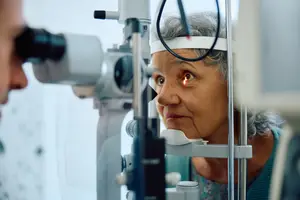
Our Aldie office uses modern diagnostic tools to support accurate measurements and organized follow-up, so you have clear direction and a plan that is easy to understand.

How Often to Schedule and When to Call Sooner
Many patients with diabetes benefit from regular diabetic eye exams to support long-term monitoring. Your recommended schedule depends on your health history and what we see during your visit.
If you notice sudden vision changes, new floaters, flashes of light, or increasing blur, call our office so we can guide the next steps and determine whether you should be seen sooner.

Many patients with diabetes benefit from regular diabetic eye exams to support long-term monitoring. Your recommended schedule depends on your health history and what we see during your visit.
If you notice sudden vision changes, new floaters, flashes of light, or increasing blur, call our office so we can guide the next steps and determine whether you should be seen sooner.